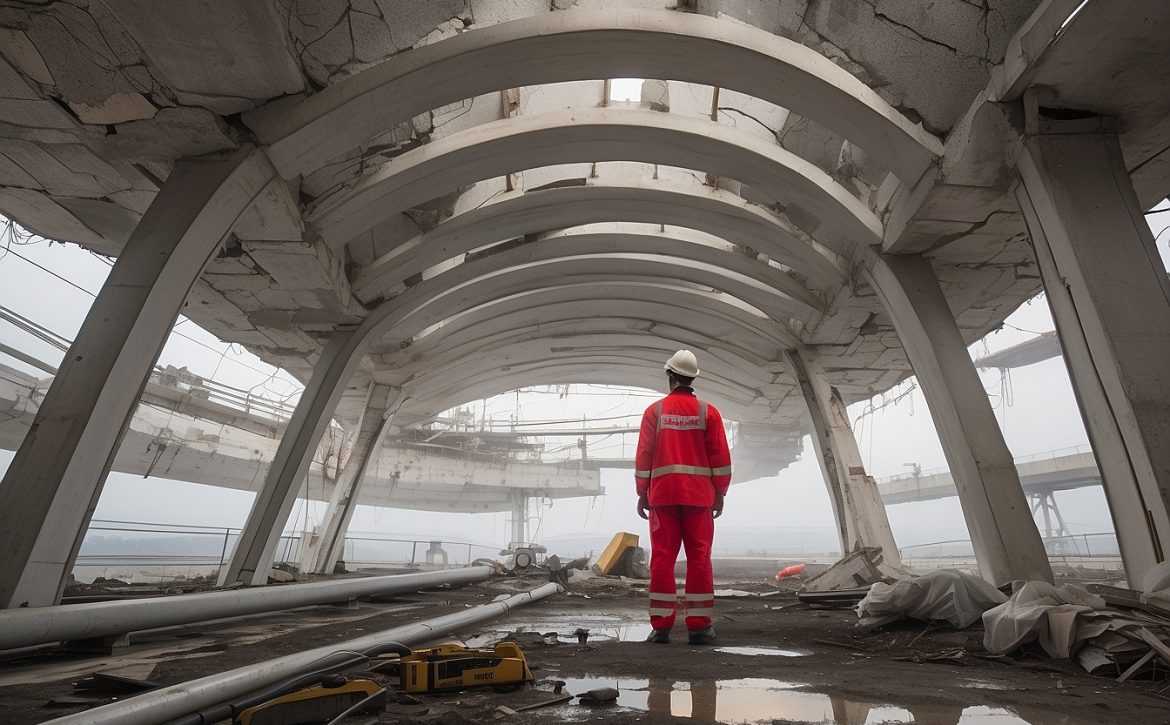
Structural health monitoring (SHM) has become an indispensable tool for assessing the condition of buildings and infrastructure. By deploying SHM devices, engineers and asset managers can monitor the health of structures in real-time, detect damage early, and prioritize maintenance efforts effectively. In this guide, we’ll provide a step-by-step overview of the process involved in installing SHM devices on your structure.
Understanding Structural Health Monitoring
Before delving into the installation process, it’s essential to grasp the fundamentals of SHM. At its core, SHM involves the deployment of sensors to gather data on various parameters such as vibration, strain, temperature, and corrosion. This data is then analyzed to assess the structural integrity and detect any signs of deterioration or damage.
Pre-Installation Preparation
The first step in installing SHM devices is conducting a comprehensive structural assessment. This assessment helps identify critical areas, potential points of failure, and the specific types of sensors needed. Factors such as the structure’s design, materials, anticipated loads, and environmental conditions should all be taken into account during this phase.
Selecting the Right SHM Devices
Choosing the appropriate SHM devices is crucial for the success of your monitoring system. There are various types of sensors available, each designed to measure specific parameters and cater to different structural configurations. Common types include accelerometers, strain gauges, displacement sensors, and temperature sensors. Consider factors such as sensor accuracy, durability, compatibility with existing infrastructure, and data communication protocols when making your selection.
Installation Process:
The installation process typically involves several key steps:
- Sensor Placement: Based on the structural assessment, determine the optimal locations for sensor placement. Critical structural elements such as beams, columns, and foundations should be prioritized.
- Mounting: Secure the sensors to the structure using appropriate mounting hardware. Ensure that the sensors are positioned securely and are in direct contact with the structural elements being monitored.
- Wiring: Connect the sensors to data acquisition systems using suitable wiring methods. Pay close attention to wiring routes to minimize interference and ensure reliable data transmission.
- Calibration: Calibrate the sensors to ensure accurate measurements. Follow the manufacturer’s guidelines and perform periodic recalibration to maintain measurement accuracy over time.
Data Acquisition and Analysis
Once the sensors are installed and calibrated, set up data acquisition systems to collect information from the SHM devices. This may involve installing data loggers, connecting sensors to a centralized monitoring system, or leveraging wireless communication technologies. Once data is collected, it must be analyzed using appropriate techniques to extract meaningful insights into the structural health and performance.
Maintenance and Calibration
Regular maintenance and calibration are essential to ensure the ongoing reliability and accuracy of your SHM system. Schedule routine inspections to check for sensor damage or malfunction, and recalibrate as necessary. Stay informed about advancements in SHM technology and best practices to optimize the performance of your monitoring system.
Conclusion
Incorporating structural health monitoring devices into your infrastructure represents a proactive and forward-thinking approach to asset management and safety assurance. By implementing an effective SHM system, you not only gain invaluable insights into the condition of your structure but also empower yourself to make data-driven decisions regarding maintenance, repair, and operational strategies.
The installation process outlined in this guide serves as a foundational framework for deploying SHM devices, but it’s important to recognize that SHM is not a one-time endeavor—it’s an ongoing commitment to structural integrity and safety. As structures age and environmental conditions evolve, continuous monitoring and periodic assessments become increasingly vital to detect potential issues early and mitigate risks effectively.
Furthermore, the benefits of SHM extend beyond structural safety alone. By proactively monitoring the health of your infrastructure, you can optimize asset performance, extend service life, and minimize lifecycle costs. Additionally, SHM data can be leveraged to inform predictive maintenance strategies, enhance resilience against natural disasters, and support informed decision-making for future infrastructure investments.
As technology continues to advance and SHM solutions become more sophisticated, the opportunities for innovation and optimization are endless. Whether you’re a civil engineer, asset manager, or infrastructure owner, embracing SHM represents a commitment to excellence, sustainability, and safety in the built environment.
In conclusion, investing in structural health monitoring is not just a wise decision—it’s a strategic imperative for ensuring the longevity, resilience, and safety of our built infrastructure in an ever-changing world.
You can easily get help for your structures.